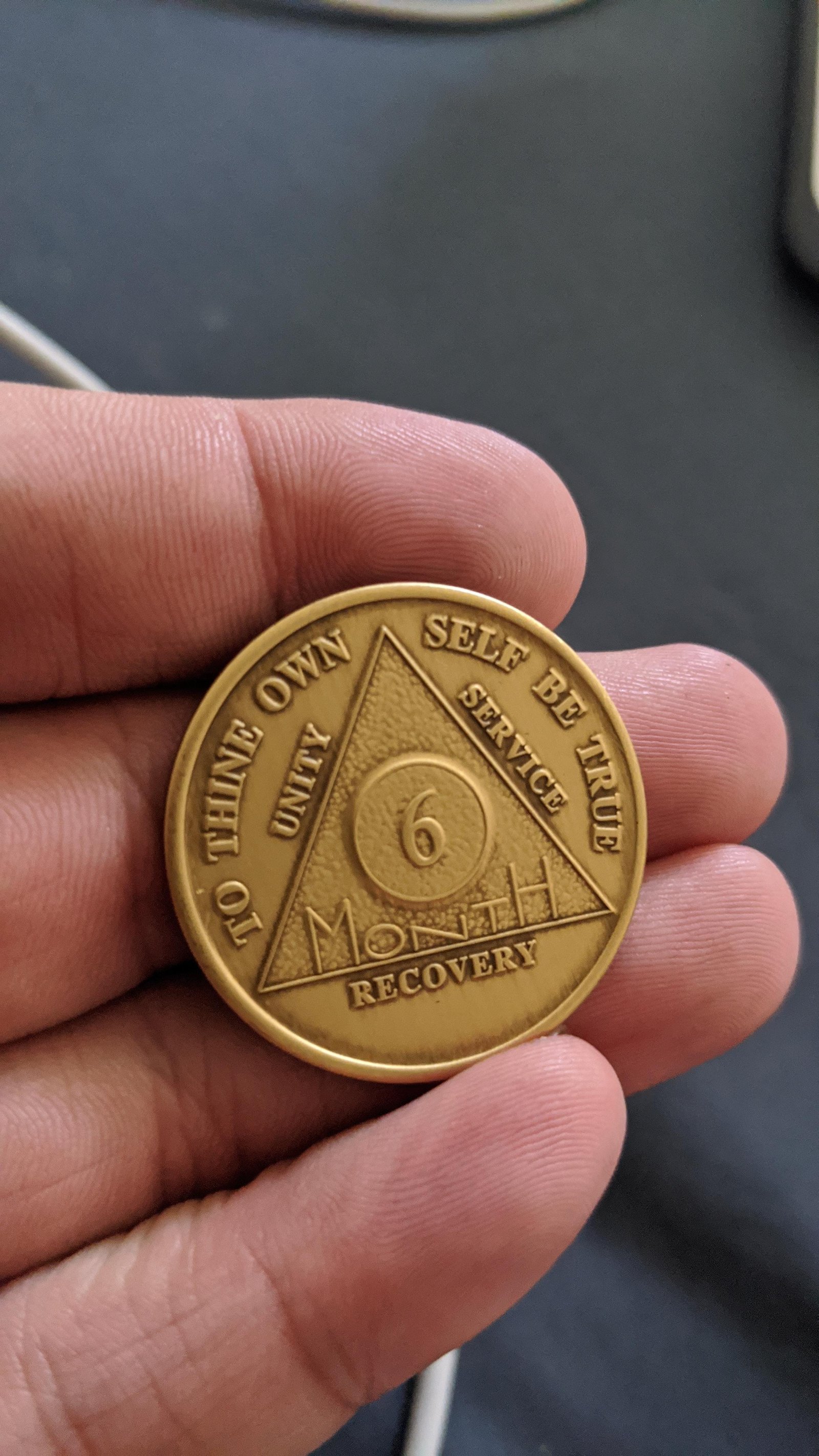
For some, complete abstinence is essential. Why moderation doesn't work for everyone—and how to stay clean long-term.
Not everyone needs to quit drinking entirely. I’ve said that consistently throughout my career, and I stand behind it. But there are situations where total abstinence from all psychoactive substances is not just recommended — it’s essential. Understanding the difference is one of the most important clinical judgments I make with every patient I treat.
When we’re dealing with stimulant addiction — cocaine, methamphetamine — total abstinence is typically the priority. And I don’t mean just from the stimulant. I mean from all intoxicating substances, including alcohol. The reasons are practical, not ideological.
Why Any Intoxicant Compromises Recovery
Any intoxicating substance strips away inhibitions and impairs judgment. For someone in recovery from stimulant use, having a few drinks dramatically increases the likelihood of using their drug of choice. I’ve seen this pattern play out hundreds of times: someone decides they can have a couple of drinks at a social event, and by the end of the evening they’ve called their dealer. The alcohol didn’t force them to use cocaine — it simply disabled the executive function and decision-making capacity that was keeping them on track.
This is why so many setbacks follow a predictable sequence, as outlined in our guide to relapse warning signs. The person doesn’t plan to use their primary substance. They plan to have a drink. And one thing leads to another. The off switch — already compromised — gets shut off entirely.
Substitution: Trading One Problem for Another
One of the most common patterns I see in clinical practice is substitution. Someone stops using cocaine and starts drinking heavily. Someone quits alcohol and develops problems with prescription medications or marijuana. The addictive behavior hasn’t been resolved — it’s simply been redirected.
Alcohol is particularly risky as a substitute because it’s legal, widely available, socially encouraged, and often not thought of as a “real drug” by people who see themselves as having a drug problem rather than an alcohol problem. But alcohol is every bit as addictive and destructive as other substances — it just happens to be legal.
If you have an addictive vulnerability that led to problems with one substance, you’re at elevated risk for developing problems with others. This is why understanding where you fall on the alcohol use disorder spectrum matters even if alcohol wasn’t your primary concern. The NIAAA provides detailed guidance on how alcohol use disorders are assessed and classified.
The underlying issues that drove the original substance use — stress, anxiety, emotional pain, the need for an off switch — don’t disappear just because you’ve switched substances. True recovery means addressing those underlying issues, not just changing what you self-medicate with. Having a concrete action plan for abstinence can help you stay focused on comprehensive recovery rather than drifting into substitution.
Giving the Brain Time to Heal
Stimulants like cocaine and methamphetamine have a significant impact on brain function, particularly on dopamine systems, executive function, and impulse control. One of the goals of treatment is allowing the brain time to recover from the effects of chronic substance use.
This healing process is compromised when you continue using other intoxicating substances. While alcohol and marijuana affect the brain differently than stimulants, they still impact neurotransmitter systems, cognitive function, and the brain’s ability to reestablish healthy patterns. Complete abstinence speeds up the recovery process. Your cognitive function improves more quickly, your mood stabilizes sooner, and you develop better impulse control.
Think of it this way: if you’re trying to heal a broken leg, you don’t keep jumping on it occasionally. The healing may still happen, but much more slowly and with greater risk of complications. Supporting recovery with appropriate medications when clinically indicated can help reduce cravings and protect abstinence during this critical period. SAMHSA offers comprehensive resources on medication options.
Cross-Triggering Between Substances
Many people who use stimulants have also used alcohol or opiates to manage the negative side effects — the anxiety, paranoia, or inability to sleep that comes after a cocaine or methamphetamine binge. Over time, the brain creates powerful associations between these substances. They become neurologically linked.
This means that using alcohol can trigger intense cravings for cocaine, even when you had absolutely no intention of using stimulants. The brain has learned that alcohol “goes with” cocaine, and using one activates the pathways associated with the other. It’s a form of classical conditioning that operates below conscious awareness.
This associative triggering explains why so many setbacks are preceded by alcohol consumption. Someone celebrates six months without cocaine by having champagne, and within hours they’re making a call they never planned to make. They didn’t decide to use cocaine — the alcohol activated cravings they couldn’t resist in their impaired state.
Breaking these associations requires extended abstinence from all substances. Over time, the brain’s pathways reorganize and the triggers lose their power. But in early recovery, using any psychoactive substance is risky precisely because of these learned associations.
When a Setback Happens
It’s important to distinguish between a single slip and a full return to regular use. A slip — one episode — doesn’t have to become a full-blown recurrence if you respond appropriately. Acknowledge what happened honestly. Contact your support system immediately. Analyze what led to the slip and adjust your recovery plan accordingly. A setback is a bump in the road, not a catastrophe. The key is honesty and immediate corrective action, not shame and self-punishment.
This is quite different from someone who uses one drink as permission to go back to regular substance use. The difference lies in how you respond, not in the fact that it happened.
When Total Abstinence Is Not the Only Path
It’s important to acknowledge that total abstinence isn’t the right approach for everyone. Some people, particularly those with less severe alcohol problems, successfully pursue moderation or harm reduction goals. Others benefit from sobriety sampling as a way to explore their relationship with alcohol before committing to any long-term approach. One size does not fit all, and I’ve never believed in forcing a single model onto every patient who walks through my door.
However, for stimulant addiction specifically, and for more severe alcohol use disorders, total abstinence remains the approach most likely to produce lasting results. Having the right support systems in place — whether through professional treatment, peer support, or both — makes the difference between white knuckling through abstinence and genuinely building a life where substances no longer serve a function.