The right medication, combined with therapy, can reduce cravings, prevent relapse, and help you regain control. We integrate FDA-approved medications into personalized treatment plans.
Now Available
Emerging research shows that GLP-1 receptor agonists, originally developed for diabetes and weight management, may significantly reduce alcohol cravings and consumption. We now offer these medications as part of a comprehensive treatment approach.
Dual GIP/GLP-1 Receptor Agonist
GLP-1 Receptor Agonist
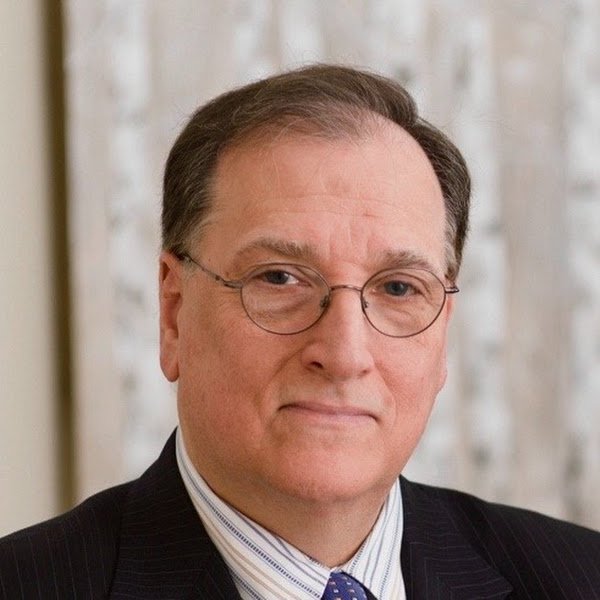
"GLP-1 medications represent the most exciting pharmacological development in addiction treatment in years. For the right patient, they can meaningfully reduce the pull of alcohol and help people stick with their recovery goals."
— Dr. Arnold Washton
Note: GLP-1 medications are FDA-approved for diabetes and weight management. Their use for alcohol cravings is considered off-label and is based on emerging clinical evidence. We discuss the current research, potential benefits, and limitations with every patient before prescribing.
100%
Confidential
6+
Medication Options
50+
Years Experience
Optional
Medication Is Always Your Choice
These medications have been rigorously tested and approved by the FDA to help people reduce or stop drinking. Each works differently, and we match the right medication to your specific situation.
ReVia (oral) / Vivitrol (injection)
Blocks the pleasurable effects of alcohol, making it easier to drink less or stop entirely.
Campral
Restores the brain's chemical balance disrupted by chronic alcohol use, easing the discomfort of early sobriety.
Antabuse
Creates a strong deterrent by causing unpleasant physical reactions if you drink alcohol.
Neurontin
Originally developed for seizures and nerve pain, gabapentin has shown promise in reducing alcohol cravings and improving sleep during early recovery. It may be especially helpful for those with anxiety or insomnia related to alcohol withdrawal.
Topamax
An anticonvulsant that has demonstrated effectiveness in reducing heavy drinking days and cravings. Topiramate works on multiple brain pathways and may be a good option when FDA-approved medications have not been sufficient.
Medication-assisted treatment (MAT) is the gold standard for opioid dependence. These medications relieve withdrawal, block cravings, and dramatically reduce the risk of relapse.
Suboxone / Subutex
A partial opioid agonist that relieves cravings and withdrawal without producing a high.
Vivitrol (monthly injection)
Blocks opioid receptors completely, making relapse virtually impossible while on the medication.
Medically Guided Reduction
For those who want to discontinue opioids entirely, a gradual and medically supervised reduction is safer and more comfortable.
Addiction rarely exists in isolation. Many of our clients also struggle with depression, anxiety, or other mental health conditions that fuel substance use. Treating both together is essential for lasting recovery.
Untreated depression and anxiety are among the most common drivers of relapse. When substance use masks underlying mood disorders, removing the substance without addressing the mood can feel unbearable.
Bipolar disorder and ADHD are frequently underdiagnosed in adults with substance use problems. Proper medication management can reduce impulsivity and mood instability that drive substance use.
We collaborate with board-certified addiction psychiatrists who specialize in diagnosing and treating co-occurring psychiatric conditions alongside addiction.
Medication addresses the biological side of addiction — cravings, withdrawal, and neurochemical imbalances. But addiction is not purely biological. Habits, triggers, relationships, and emotional patterns all play a role.
Therapy addresses the psychological and behavioral factors that medication alone cannot. Together, they produce outcomes that neither can achieve on its own.
We never pressure anyone into taking medication. Some clients prefer a purely behavioral approach, and that is completely valid. Others find that medication gives them the extra edge they need to succeed.
Our role is to educate you about the options, share the evidence, and support whatever decision feels right for you. Whether you choose medication or not, the quality of your treatment remains the same.
Addiction Psychologist | Author
For over 50 years, Dr. Washton has helped executives, physicians, attorneys, and entrepreneurs overcome alcohol and drug problems. He integrates medication into treatment plans when appropriate, always as part of a comprehensive approach that includes therapy and behavioral strategies.
A pioneer in addiction psychology, Dr. Washton has served as a consultant to the White House, FDA, and U.S. Senate on substance abuse policy. He is the author of 9 books and over 50 professional articles on addiction treatment.
Moderation management and abstinence options for professionals.
Specialized treatment for stimulant and opioid dependence.
How medications support moderation and abstinence goals.
Watch Dr. Washton discuss treatment approaches and recovery.
Schedule a confidential consultation to discuss medication options. No obligation, no pressure. We'll help you understand what's available and whether it's right for your situation.