Substance use isn't limited to alcohol. Many executives and professionals struggle with cocaine, prescription opioids, and stimulants, often hidden behind successful careers until the consequences become unavoidable.
Cocaine use among professionals often follows predictable patterns: it starts socially, becomes tied to work events or travel, and gradually becomes a regular part of managing stress and maintaining energy.

Cocaine at client dinners, networking events, bachelor parties. "I only use when I'm out" gradually becomes "I'm out more than I should be."
Stimulants to power through deadlines, maintain energy during brutal schedules, or stay sharp in high-pressure situations.
Many professionals use cocaine to "sober up" after drinking, creating a dangerous cycle of stimulants and depressants.
Beyond health consequences, cocaine carries criminal liability and career-ending potential that alcohol doesn't.
Many professionals become dependent on opioids through legitimate prescriptions: a surgery, a sports injury, chronic back pain. The transition from prescribed use to dependence is gradual and often unrecognized.
For opioid dependence, medication-assisted treatment (MAT) is often the most effective approach.
Reduces cravings and withdrawal without the high. Can be prescribed by certified physicians and taken at home.
Blocks opioid effects. Available as daily pill or monthly injection. Also used for alcohol treatment.
For those who want to discontinue opioids entirely, a gradual reduction under medical supervision is safer than stopping cold turkey.
We evaluate your substance use pattern, physical health, mental health, and professional situation. This determines whether outpatient treatment is appropriate or if you need a higher level of care first.
For opioids, we coordinate with physicians for medication-assisted treatment if needed. For cocaine/stimulants, we address withdrawal symptoms and cravings through behavioral strategies.
Identifying and managing the situations, people, and emotional states that lead to use. For professionals, this often includes work travel, client entertainment, and stress cycles.
Building skills to maintain recovery long-term, including handling high-risk situations and recovering from slips without full relapse.
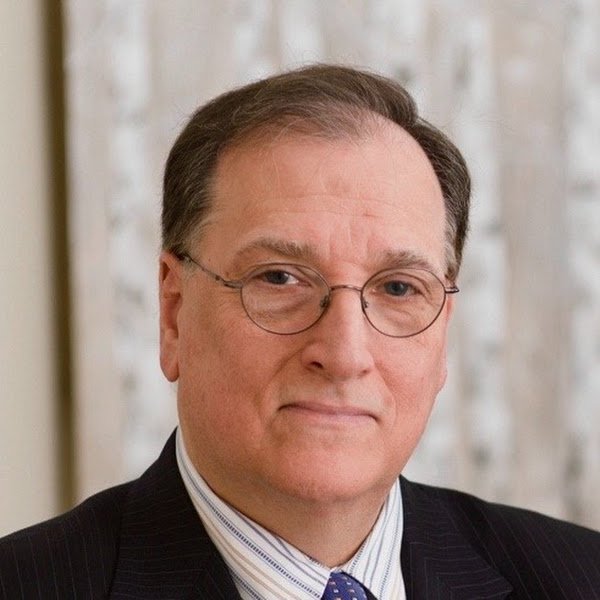
Clinical Psychologist | Author
Dr. Washton literally wrote the book on cocaine addiction. His book has been a clinical reference for decades. He has treated thousands of professionals struggling with stimulants, opioids, and polysubstance use.
His approach addresses the professional context: cocaine at client dinners, opioids that started with a legitimate prescription, stimulants used to maintain impossible workloads. Treatment is confidential and designed around your schedule.
Cocaine and opioid problems are treatable. Dr. Washton provides discreet, professional treatment that protects your career and privacy.
Request a Consultation